
Everything you need to know about the departments and the professors that our institution offers.
About Department
Agricultural microbiology plays a vital role in agriculture and allied sciences by harnessing the activities of microorganisms to improve crop productivity, soil health, environmental sustainability, and food security.
Microorganisms such as bacteria, fungi, and actinomycetes are essential for:
Decomposition of Organic Matter
Nutrient Cycling
Improvement of Soil Structure, which supports healthy plant growth.
Nitrogen-fixing microbes convert atmospheric nitrogen into plant-available forms, reducing dependence on chemical fertilizers.
Plant growth–promoting microorganisms stimulate root development and increase crop vigor through the production of growth hormones and enzymes.
Beneficial microbes suppress plant diseases through biological control mechanisms, minimizing crop losses. In addition, microbial processes aid in waste recycling, composting, and bioremediation of polluted soils.
Overall, agricultural microbiology is fundamental to sustainable farming, organic agriculture, food security, and the advancement of agricultural and allied sciences.
List of Courses
| B. Sc. (Hons.) Agriculture | ||
|---|---|---|
|
AMB-6301 |
Agricultural Microbiology and Phyto-remediation |
(1+1) |
|
SDC-I |
Biofertilizer and biopesticide production |
(0+2)
|
|
SEC-II |
Production Technology of Bioagents |
(0+2)
|
|
SEC-IV |
Mushroom Production Technology |
(0+2)
|
| Diploma (Agri.) | ||
|---|---|---|
|
DAMB-101 |
Biofertilizer and biopesticide |
(1+1)
|
Department Activities
Teaching core and applied courses in agricultural microbiology.
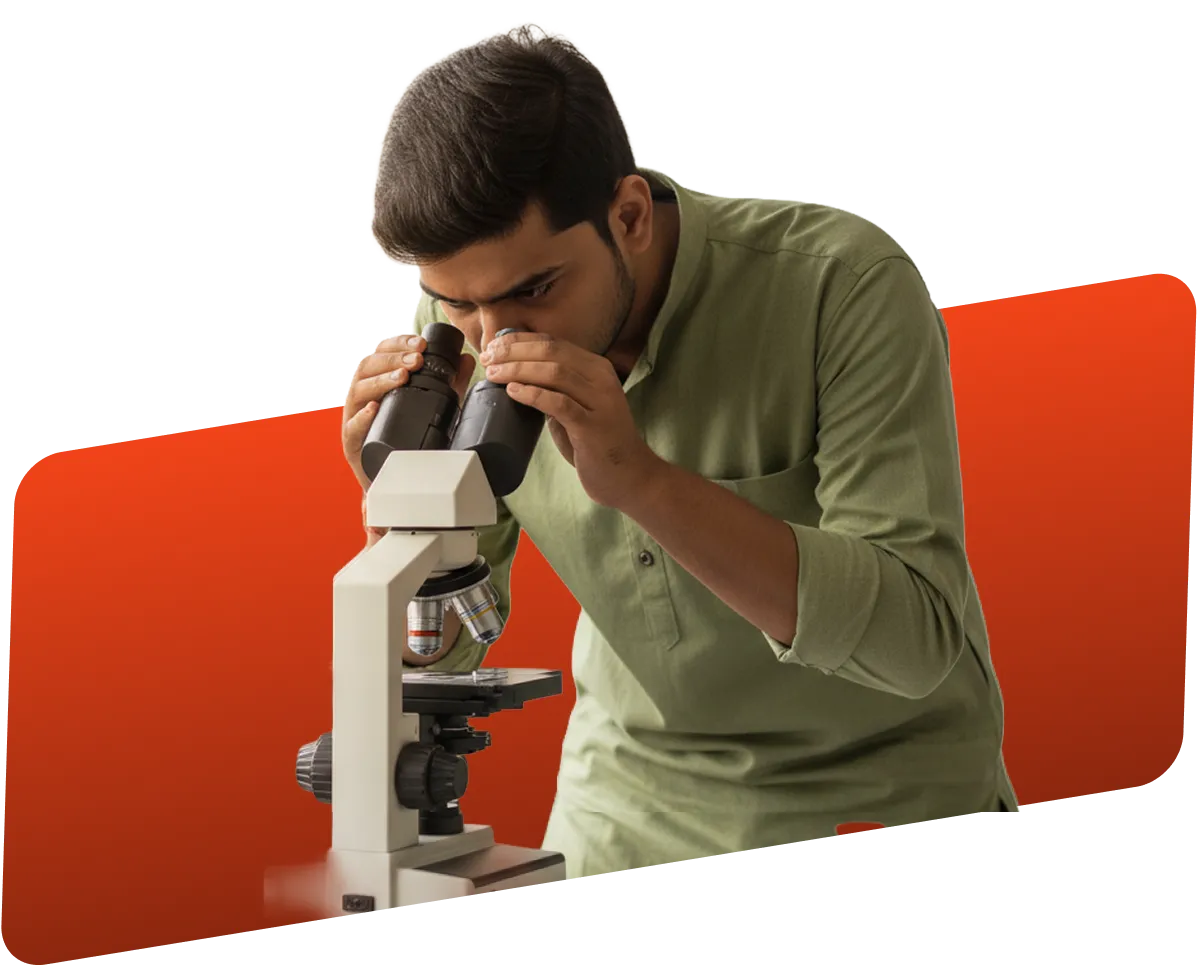
Conducting practical laboratory classes on microbial isolation, culturing, and identification.
Training students in the production and application of biofertilizers and biopesticides.
Mushroom production training, including spawn preparation, cultivation techniques, harvesting, and post-harvest handling.
Organizing hands-on mushroom cultivation programs for students, farmers, and rural youth.
Field visits to biofertilizer units, mushroom production units, and research farms.
Guiding student research projects on soil microbiology, plant–microbe interactions, and mushroom science.
Conducting workshops, seminars, and guest lectures on emerging microbial and mushroom technologies.
Extension activities and farmer training on beneficial microorganisms and mushroom entrepreneurship.
Promoting sustainable, organic, and eco-friendly agricultural practices through outreach and demonstrations.
List of Faculty of Department